Key Takeaways
- Knuckles crack because of gas bubbles forming or collapsing in the synovial fluid inside your joints, not from bones grinding together.
- A famous decades-long self-experiment by physician Donald Unger, who cracked only one hand’s knuckles for over 60 years, found no difference in arthritis between his two hands, matching findings from larger population studies.
- You cannot crack the same knuckle twice in a row immediately because the escaped gas needs roughly 15 to 20 minutes to redissolve into the fluid.
- Scientists still debate whether the popping sound comes from bubble formation or bubble collapse, with a widely cited 2015 real-time MRI study pointing toward formation.
- Knuckle cracking becomes a genuine concern only when it’s paired with pain, swelling, or reduced grip strength, which is worth asking a doctor about.
That satisfying pop when you bend your fingers back has probably earned you at least one disgusted look across a room. Maybe someone even warned you that you’re “going to get arthritis.” So why do knuckles crack, and is anyone right to be worried? The short answer: knuckles crack because of gas bubbles forming or collapsing inside the fluid that lubricates your joints, and decades of research say the habit does not cause arthritis in otherwise healthy joints.
That doesn’t mean the topic is fully settled, though. Scientists have debated the exact physics of the pop for decades, and there are a few situations where joint popping really does deserve your attention. Here’s the real story.
Why Do Knuckles Crack? The Real Science Explained
Knuckles crack because the joint capsule contains a lubricating fluid that holds dissolved gas, and stretching the joint suddenly changes the pressure inside it. That pressure change causes a gas bubble to form or collapse rapidly, and the resulting shockwave through the fluid is the sound you hear.
Every knuckle, and really every synovial joint in your body, is wrapped in a capsule filled with synovial fluid. This fluid works like a built-in lubricant and shock absorber, similar to oil in a hinge. It also holds dissolved gases, mostly carbon dioxide, along with smaller amounts of nitrogen and oxygen.
When you pull or bend a finger, you stretch the joint capsule and increase its volume. That drop in pressure is what sets the whole process in motion.
What’s Actually Happening Inside Your Joint When It Pops
The pop happens when a gas-filled bubble inside the synovial fluid either forms suddenly or collapses suddenly under changing pressure, and the resulting movement of fluid creates a tiny shockwave felt as sound and vibration. Researchers still debate which of those two moments, formation or collapse, actually produces the audible crack.
For decades, the leading explanation was the “cavitation” theory: stretching the joint drops the pressure so low that dissolved gas rapidly escapes the fluid and forms a bubble, and the sudden appearance of that bubble makes the noise. A widely cited 2015 study using real-time MRI imaging, conducted by researchers at the University of Alberta in Canada, instead suggested the sound comes from the bubble’s rapid formation itself, visible as a bright flash on the scan at the exact moment of the pop.
Other researchers studying joint biomechanics have pushed back, arguing that a partial collapse or change in bubble shape may better explain the sharp, quick sound. The honest answer is that scientists have not fully agreed on the exact mechanism. Either way, everyone agrees it’s gas and fluid at work, not bones grinding or breaking.
Does Cracking Your Knuckles Cause Arthritis? A Famous Self-Experiment
Cracking your knuckles does not appear to cause arthritis, based on both population studies and one remarkably dedicated self-experiment. A physician named Donald Unger cracked the knuckles on only one hand every day for more than 60 years, leaving the other hand uncracked as a control, and found no difference in arthritis between his two hands.
Unger wrote up his results in a short, light-hearted letter published in a medical journal in 1998, and he later received an Ig Nobel Prize, a satirical award given for research that makes people laugh and then think. A single person’s hands aren’t a formal clinical trial, but his results line up with broader studies of larger groups of habitual knuckle-crackers, which also found no meaningful link between the habit and osteoarthritis.
So where did the myth come from? Arthritis is common, knuckle cracking is common, and it’s easy for two common things to get wrongly blamed on each other, especially when a worried parent is trying to get a kid to stop.
Why Can’t You Crack the Same Knuckle Twice in a Row?
You can’t immediately re-crack the same knuckle because the gas that escaped into the bubble needs time to redissolve back into the synovial fluid. Research generally points to a refractory period of roughly 15 to 20 minutes before that same joint is ready to pop again.
Think of it like opening a bottle of soda. Once the fizz escapes, you need time before enough gas builds back up to repeat the effect. Your joint capsule goes through the same slow re-equilibration in the background, even though you can’t feel it happening.
Why Does Cracking Knuckles Feel Good?
Cracking your knuckles often feels satisfying because stretching the joint capsule can briefly increase the joint’s range of motion and release tension in the surrounding tissue, similar to a good stretch. For many people, the habit also doubles as a small, repetitive, calming action, similar to a mild stim used to manage stress or boredom.
That small rush of relief is a big part of why the habit sticks, even when there’s no real physical need to do it. It sits alongside other everyday body quirks that have simple, if slightly surprising, explanations.
The same curiosity that makes people wonder why we get goosebumps is exactly what makes knuckle cracking such a fun rabbit hole, not unlike asking why we laugh when nervous instead of simply smiling.
Can Cracking Your Knuckles Actually Hurt You?
Cracking your knuckles is not inherently harmful for most people, but it isn’t completely risk-free either. Some studies have found a possible link between very frequent, forceful knuckle cracking and slightly reduced grip strength over time, though the evidence here is weaker and less consistent than the arthritis research.
There have also been rare individual case reports of soft-tissue injury tied to extremely aggressive or forced joint manipulation, though these are uncommon and usually involve unusual force rather than normal everyday cracking. For almost everyone, an occasional knuckle pop is a harmless mechanical quirk, not an injury in progress.
When Joint Popping Is a Sign Something’s Wrong
Joint popping becomes a genuine warning sign when it comes with pain, swelling, warmth, or a noticeable loss of grip strength or range of motion. A painless, occasional pop from a joint that otherwise moves and feels normal is almost always harmless.
Here’s a quick way to tell the difference:
- Harmless habit: No pain, no swelling, joint moves freely before and after.
- Worth mentioning to a doctor: Popping paired with pain, stiffness, visible swelling, or a joint that feels unstable.
- Worth mentioning to a doctor: A sudden change in how a joint sounds or feels after an injury.
If you notice any of those warning signs, it’s worth checking with a doctor or physical therapist rather than guessing. This article is for general interest only and isn’t a substitute for personalized medical advice.
So Should You Stop Cracking Your Knuckles?
You don’t need to stop cracking your knuckles purely out of fear of arthritis, since the best available evidence doesn’t support that old warning. If the habit bothers people around you, or if you notice pain or swelling, those are better reasons to dial it back than the arthritis myth ever was.
Here’s a quick comparison of the main claims floating around:
| Common Claim | What Evidence Actually Shows |
|---|---|
| Causes arthritis | Not supported, including by Donald Unger’s decades-long self-experiment and larger population studies |
| Weakens grip strength | Possible mild link in some studies with frequent, forceful cracking; evidence is mixed |
| Caused by bones cracking | Myth; it’s gas bubbles in synovial fluid, not bone on bone |
| Can crack same knuckle instantly again | False; the joint needs about 15-20 minutes to reset |
Knuckle cracking is one of those everyday human oddities that’s surprisingly well studied, right alongside curiosities like whether farting burns calories. The real takeaway is that your body is full of small, slightly strange mechanical quirks, and most of them are nothing to worry about. Share this with the next person who cracks their knuckles next to you at dinner, and drop a comment with the weirdest body fact you know.
Frequently Asked Questions
Why do knuckles crack when you pull or bend them?
Pulling or bending a knuckle stretches the joint capsule and lowers the pressure inside it, causing a gas bubble in the synovial fluid to form or collapse rapidly. That rapid change creates a small shockwave through the fluid, which you hear as a pop.
Is cracking your knuckles bad for your joints long term?
For most people, occasional knuckle cracking is not bad for joint health long term, and it does not appear to cause arthritis. Some studies suggest very frequent, forceful cracking might slightly reduce grip strength, but the evidence on that point is mixed and not conclusive.
Why does cracking knuckles feel satisfying?
Cracking knuckles often feels satisfying because stretching the joint briefly increases its range of motion and releases tension in the surrounding tissue, similar to a good stretch. For many people it also works like a small, repetitive, calming habit, similar to a mild stim.
Can you run out of knuckles to crack?
You don’t run out permanently, but each joint needs roughly 15 to 20 minutes before it can crack again, since the escaped gas takes time to redissolve into the synovial fluid. That’s why trying to re-crack the same knuckle right away usually doesn’t work.
Is knuckle cracking linked to bigger hands or weaker grip?
There’s no credible evidence that knuckle cracking causes bigger hands. Some research has found a possible mild link to weaker grip strength with very frequent, forceful cracking, but results across studies are inconsistent, so this isn’t considered a settled fact.
What is the popping sound in joints actually caused by?
The popping sound comes from gas, mainly carbon dioxide, inside the synovial fluid rapidly forming or collapsing into a bubble as joint pressure changes suddenly. Researchers have debated whether bubble formation or collapse creates the audible crack, and the question isn’t fully resolved.
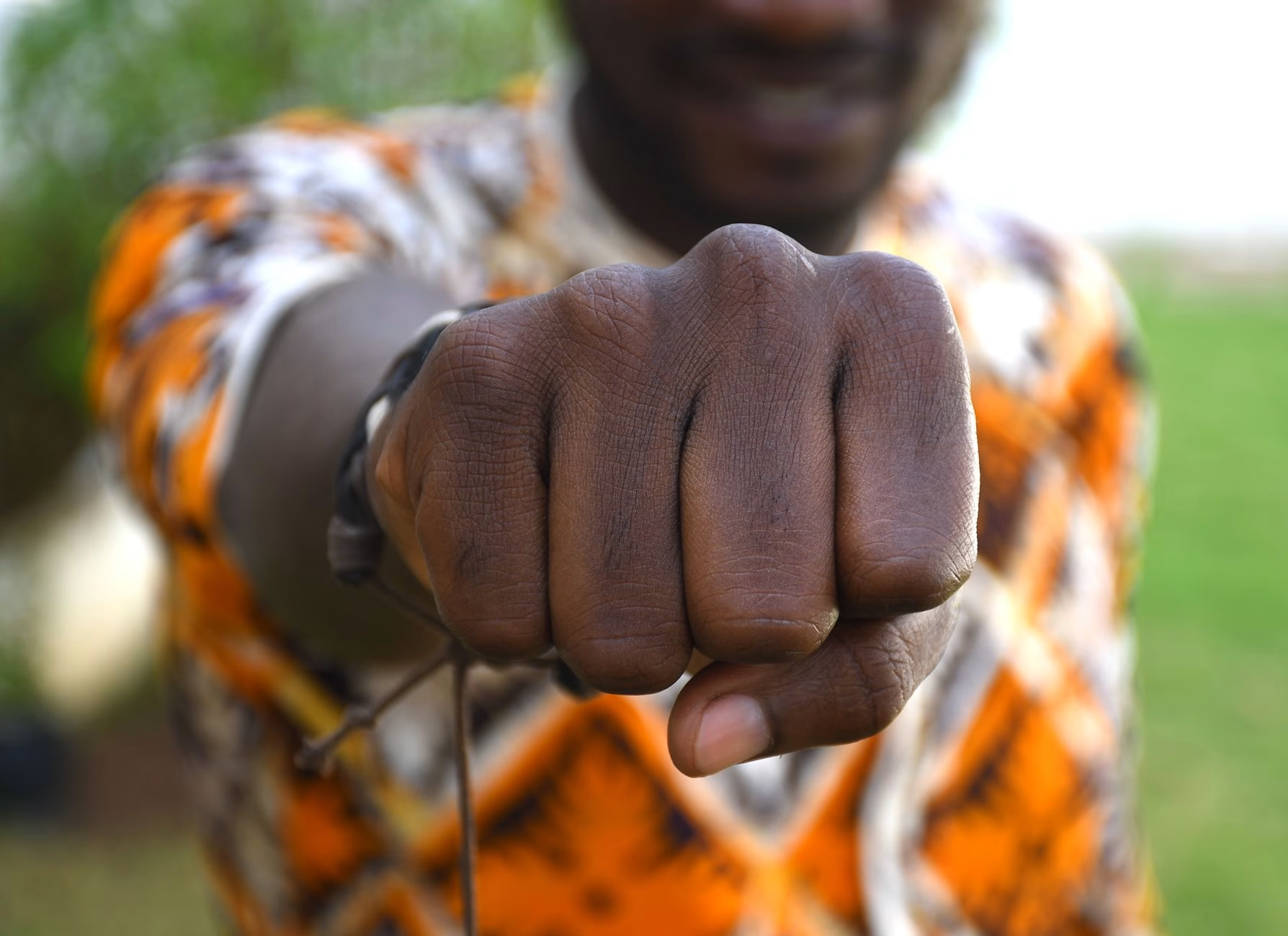
Featured image: Photo by Iwaria on Pexels