
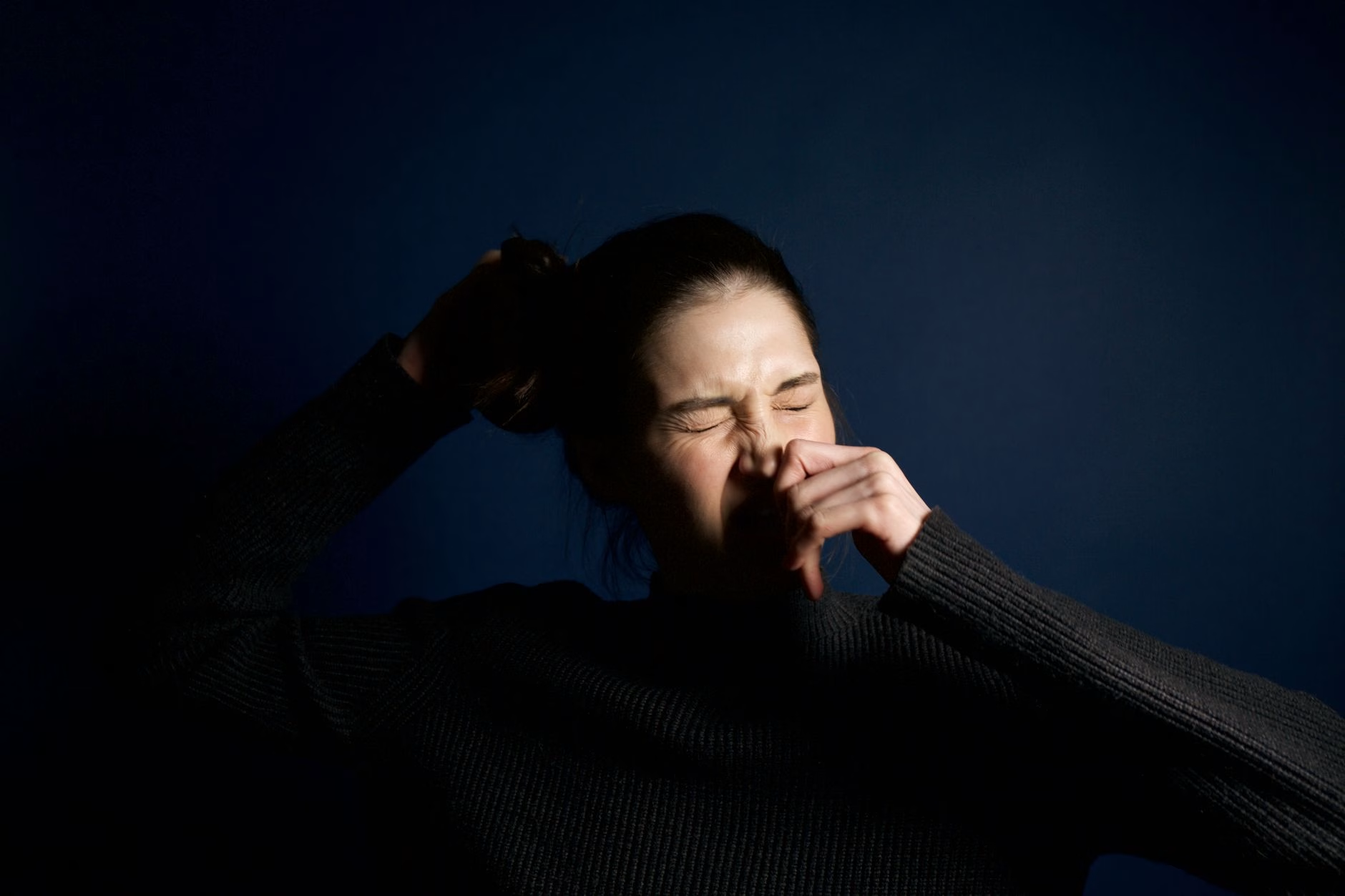
Key Takeaways
- The photic sneeze reflex, also called ACHOO syndrome, causes some people to sneeze when exposed to sudden bright light, especially sunlight.
- The reflex comes from crosstalk between the optic nerve and the trigeminal nerve, not from an allergy or sinus problem.
- Photic sneezing is genetic and follows an autosomal dominant pattern, so it often runs in families.
- Estimates suggest somewhere between 18 and 35 percent of people experience the photic sneeze reflex, though exact figures vary by study.
- Polarized sunglasses, looking away from direct light, and gradual light adjustment can help reduce sun-triggered sneezing.
You step outside on a bright afternoon, glance up at the sky, and suddenly – achoo! No dust, no pollen, no cold coming on. Just sunlight and a sneeze. It feels random, but it’s actually a well-documented quirk of human wiring with its own name.
The short answer: why do I sneeze when I look at the sun comes down to a condition called the photic sneeze reflex, where crossed signals between your optic nerve and trigeminal nerve seem to trigger a sneeze when bright light hits your eyes. It’s harmless, fairly common, and it tends to run in families. Here’s what’s actually going on.
Why Do Some People Sneeze When They Look at the Sun?
Some people sneeze at sunlight because their nervous system appears to mix up a light signal with an irritation signal. The optic nerve, which carries visual information from your eyes, runs close to the trigeminal nerve, which detects irritants in your nose and face. In people with this trait, a sudden burst of light seems to spill over into the nerve pathway that triggers sneezing.
This isn’t an allergy, and dust or pollen has nothing to do with it. It’s a neurological reflex, not a sinus issue, and it happens almost instantly – usually within a second or two of facing bright light, especially after coming from a dim room.
What Is the Photic Sneeze Reflex (ACHOO Syndrome)?
The photic sneeze reflex is the medical term for sneezing triggered by sudden exposure to bright light, most often sunlight. It’s also known by the backronym ACHOO syndrome, short for Autosomal dominant Compelling Helio-Ophthalmic Outburst syndrome, a name built specifically to spell out a sneeze sound.
The acronym describes a specific pattern: the trait is autosomal dominant (more on that below), it’s “compelling” because people can’t easily suppress it, and “helio-ophthalmic” simply refers to the sun and the eyes. It’s one of the rare cases where medical terminology has a genuine sense of humor built into it.
Is Sun Sneezing Genetic? What Science Says About Inheritance
Yes, sun sneezing is genetic. The photic sneeze reflex follows an autosomal dominant inheritance pattern, which means that if one parent carries the trait, each child has roughly a 50 percent chance of inheriting it too.
This is one of the few everyday quirks where you can trace a fairly direct line from genetics to behavior. If you sneeze at bright light, it’s worth asking your parents or siblings, since there’s a good chance at least one of them does the same thing. Researchers haven’t identified one single gene responsible, but the inheritance pattern itself has been documented in medical literature for decades.
What’s Actually Happening in Your Brain and Nerves?
The leading explanation is nerve crosstalk between the optic nerve and the trigeminal nerve, which run close together near the brainstem. When bright light suddenly hits the retina, the optic nerve fires a strong signal, and in people with the photic reflex, that signal seems to leak into the trigeminal pathway responsible for triggering sneezes.
The trigeminal nerve normally handles sensations in the nose, face, and sinuses, and it’s the same nerve involved when something tickles your nostril and makes you sneeze. Picture a switchboard with a small wiring fault, where the light signal occasionally gets routed down the sneeze line instead of staying purely in the vision pathway. This remains the most widely accepted explanation among researchers, though it’s considered a strong theory rather than a fully proven mechanism, since studying nerve signaling in real time is difficult.
It’s specifically the suddenness and brightness of light that seems to matter, not light exposure in general. Gradually adjusting to brightness rarely triggers the reflex, which is why walking slowly from a dark room into daylight tends to cause fewer sneezes than bursting outside after sitting in a dark movie theater.
How Many People Have This Reflex?
Estimates suggest that somewhere between 18 and 35 percent of people experience the photic sneeze reflex, though the exact percentage varies across studies and populations. That’s a wide range for something so common, which suggests two things: the trait is genuinely widespread, and it has historically been understudied compared to how often it shows up.
Here’s a quick comparison of how photic sneezing differs from other common sneeze triggers people often confuse it with:
| Trigger | Cause | Speed of Onset | Genetic? |
|---|---|---|---|
| Bright sunlight (photic) | Optic/trigeminal nerve crosstalk | Within seconds | Yes, autosomal dominant |
| Pollen or dust allergy | Immune response to allergens | Minutes, with buildup | Partially, less direct |
| Cold air | Nasal lining irritation | Gradual | No clear pattern |
| Pepper or spices | Direct nasal irritant | Immediate | No |
Can Photic Sneezing Be Dangerous (Driving, Flying, Surgery)?
Photic sneezing itself isn’t dangerous, but the sudden, involuntary nature of the sneeze can create awkward or risky moments in specific situations. One commonly discussed example involves pilots: a sneeze triggered by direct sun glare during takeoff or landing, when even a brief loss of visual focus matters, has been raised as a minor safety consideration in aviation training discussions.
Drivers face a smaller-scale version of the same issue. A sneeze triggered by sudden bright sunlight while pulling out of a shaded driveway or exiting a tunnel can briefly take your eyes off the road. Some medical literature also mentions the reflex as a minor concern during procedures involving bright lights near a patient’s face, since an unexpected sneeze mid-procedure is never convenient. None of this makes the reflex a serious health threat, but it explains why it occasionally comes up in safety-related training materials.
Can You Stop or Prevent Sun-Induced Sneezing?
You can reduce photic sneezing with a few simple habits built around softening the sudden light trigger. None of these are guaranteed fixes, since the reflex is neurological, but they work for many people by limiting the burst of bright light hitting the retina all at once.
- Wear polarized sunglasses before stepping into bright light, especially when moving from indoors to outdoors.
- Look down or away briefly when first exposed to strong sunlight, rather than looking straight up at the sky.
- Pinch the bridge of your nose gently, a trick some people use to interrupt the nerve signal before a sneeze fully builds.
- Squint deliberately for a second or two when moving into bright light to limit the sudden flood hitting the retina.
- Wear a brimmed hat outdoors to reduce the angle at which direct sunlight reaches your eyes.
If sneezing happens constantly regardless of light, or comes with other symptoms like congestion or itchy eyes, check with a doctor to rule out allergies or a sinus issue rather than assuming it’s purely photic.
What Else Should You Know About Photic Sneezing?
Photic sneezing has interested scientists and doctors for a long time, partly because it’s such an odd mix of harmless and mysterious. It’s been referenced in medical writing for well over a century, and it remains a small but genuine curiosity in neurology because researchers still don’t have a complete, confirmed explanation for exactly why the nerve crosstalk happens in some people and not others.
The reflex sits alongside other oddly satisfying body quirks that sound made up but aren’t. If you’ve ever wondered about other strange involuntary reactions, the reasons behind why we get goosebumps share a similar “ancient reflex still firing today” theme. Likewise, the curiosity around why knuckles crack and why your stomach growls taps into that same interest in harmless, slightly weird body mysteries with real scientific explanations.
A Quirky Reflex Worth Sharing
Sneezing at sunlight isn’t a sign something’s wrong with you. It’s a harmless, inherited nerve crossover that roughly a fifth to a third of people quietly deal with on sunny days. Next time it happens, you’ll know exactly why, and you’ll have a solid bit of trivia ready for conversation.
Share this with a friend who sneezes every time they step outside, and tell us in the comments: what’s the weirdest body fact you know?
Frequently Asked Questions
Why do I sneeze every time I step into sunlight?
You likely have the photic sneeze reflex, an inherited trait where sudden bright light appears to cause crosstalk between your optic nerve and trigeminal nerve, triggering a sneeze. It’s harmless and usually happens within seconds of moving from dim light into bright light.
Is sneezing at the sun genetic or random?
It’s genetic, not random. The photic sneeze reflex follows an autosomal dominant inheritance pattern, meaning a child has roughly a 50 percent chance of inheriting it if one parent carries the trait.
What is ACHOO syndrome?
ACHOO syndrome stands for Autosomal dominant Compelling Helio-Ophthalmic Outburst syndrome, the formal name for the photic sneeze reflex. It describes sneezing triggered by sudden exposure to bright light, particularly sunlight.
Is the photic sneeze reflex dangerous for driving or flying?
The reflex itself isn’t dangerous, but a sudden sneeze at the wrong moment, such as a pilot facing sun glare on takeoff or a driver exiting a tunnel, can briefly interrupt focus. Aviation and medical discussions have noted this as a minor but real safety consideration.
Can sunglasses stop sun sneezing?
Polarized sunglasses can help by softening the sudden burst of bright light hitting your retina when you move from indoors to outdoors. They don’t work for everyone, but many people with the photic reflex notice fewer sneezing episodes when wearing them.
What percentage of people sneeze from sunlight?
Estimates suggest that somewhere between 18 and 35 percent of people experience the photic sneeze reflex, though exact numbers vary across studies. It’s considered fairly common, even though many people have never heard that it has an official medical name.
Featured image: Photo by Brandon Nickerson on Pexels


